BirthStones

BLOOM BY BIRTH

Discover the Power of Your Birthstone

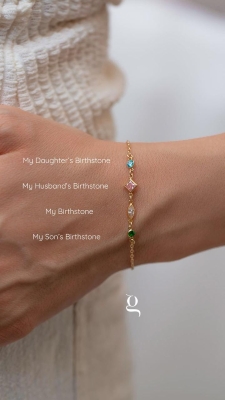
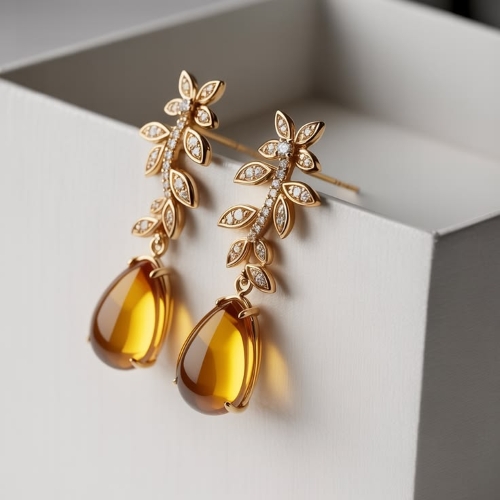
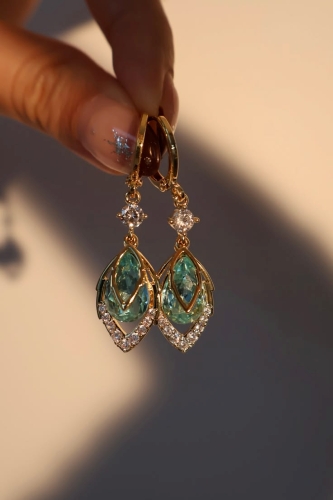
Jewellery should be more than just beautiful—it should mean something. Our birthstone collection is thoughtfully designed to connect you with your personal energy, story, and style. This will bring you luck and more fortune.
Each gemstone carries its own unique symbolism. From the calming aura of Amethyst to the passionate brilliance of Ruby, your birthstone is more than an accessory—it’s a reflection of who you are.
 

OUR COLLECTION

Your Energy. Your Stone. Your Story.

Unlock the power of personalization with our expert-guided numerology services.

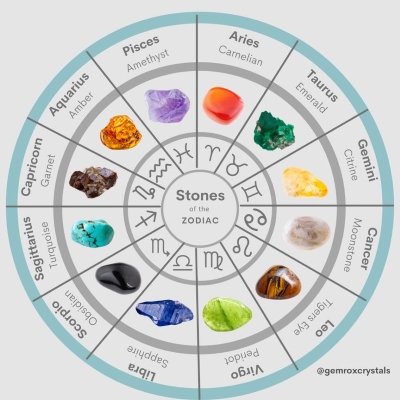
At our brand, we go beyond jewelry — we create meaningful pieces designed just for you. Our experienced and highly learned numerologist is here to guide you in discovering your perfect birthstone based on your date of birth. Each stone is carefully recommended to align with your personal energy, helping attract positivity, balance, and good fortune into your life.

We also offer customized name engraving styles, uniquely designed according to numerological principles. Your name carries powerful vibrations, and when engraved in the right style and form, it can enhance your personal aura, boost confidence, and invite success.

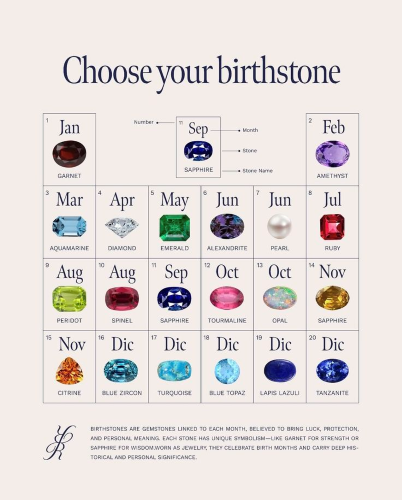
What is My Birthstone?

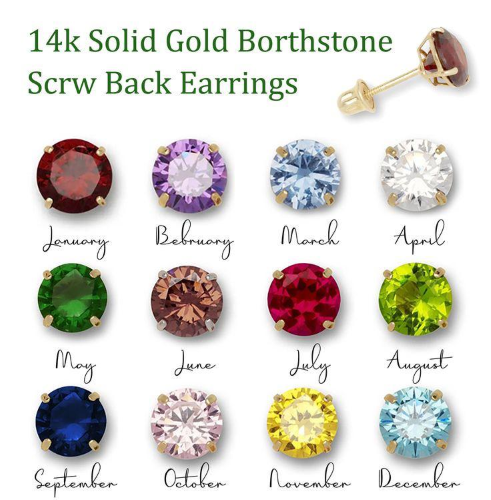
Resembling the seeds of a pomegranate, the deep red Garnet represents both the modern and traditional birthstone for January. Dating back to around 3100 B.C. in Egypt, this gemstone scores between 6.5 and 7.5 on the Mohs hardness scale. Garnet is actually a group of minerals that can appear in various colors, though red is the most common.
Throughout history, Garnet has been associated with numerous meanings and beliefs. In ancient times, it was thought to possess healing powers that could cure ailments of the heart and blood. Today, it symbolizes peace, health, and friendship. Interestingly, some varieties of Garnet are even used as abrasives for cutting through steel.

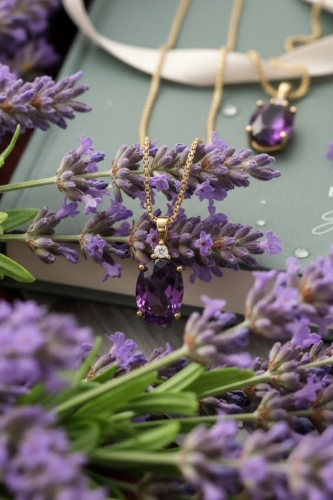
According to ancient Greek mythology, the god Dionysus was the first to discover this gemstone. Amethysts range in shades of purple, red, and blue, with their color intensity determined by the amount of iron and manganese present in the stone. Scoring a 7 on the Mohs hardness scale, Amethyst symbolizes peace, focus, and courage. The most valuable specimens display a deep purple hue with red flashes.


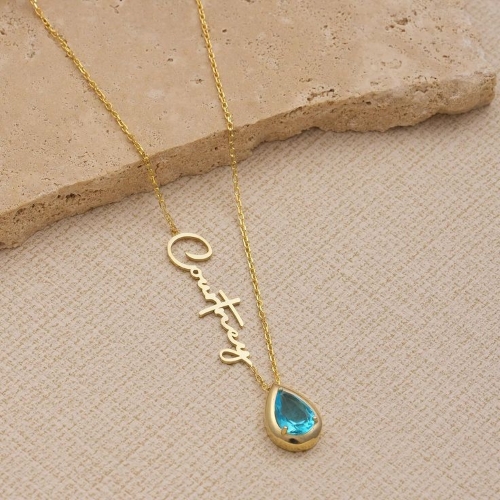
Aquamarine, a beautiful beryl gemstone known for its light blue to blue-green color, is one of the birthstones for March. Its name means “water of the sea” in Latin, perfectly reflecting its oceanic hues.

Valued for its clarity and transparency, Aquamarine is a popular choice for jewelry and decorative pieces. Most commonly found in Brazil, it ranks between 7.5 and 8 on the Mohs hardness scale. Throughout history, Aquamarine has been associated with protecting sailors, healing ailments, and symbolizing happiness, hope, and eternal youth. Today, it remains a cherished gemstone both for its beauty and its calming, spiritual qualities.

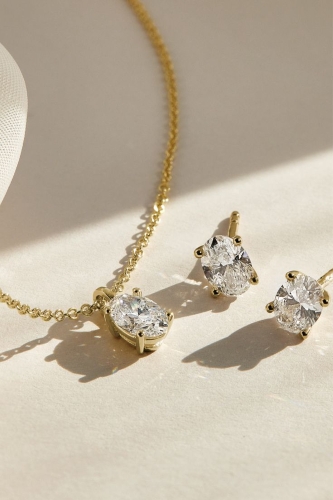
The Diamond, birthstone of April, is one of the most sought-after gemstones in the world. Treasured for thousands of years, it is celebrated for its unmatched brilliance, durability, and symbolism of everlasting love.

Scoring a perfect 10 on the Mohs hardness scale, the diamond is the hardest natural material known to man — only another diamond can cut it.Formed from pure carbon deep within the Earth’s mantle, diamonds can be colorless or appear in shades of yellow, brown, pink, or blue. Their value is determined by the “Four Cs”: cut, clarity, color, and carat weight. Beyond their beauty, diamonds are also believed to enhance relationships, promote mental clarity, and inspire confidence.


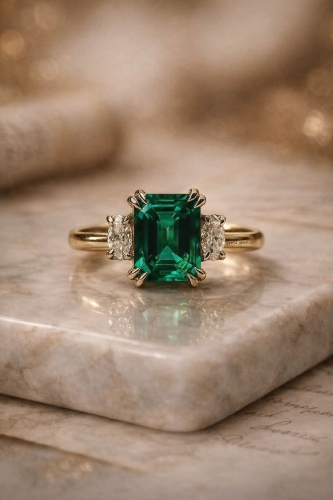
Emeralds form deep within the Earth and are commonly found in Colombia, Brazil, and Zambia. Ancient civilizations believed emeralds could bring good luck, enhance creativity, and soothe the soul — they were even said to be Cleopatra’s favorite gemstone. Today, emeralds are associated with balance, harmony, and abundance, symbolizing renewal and growth.


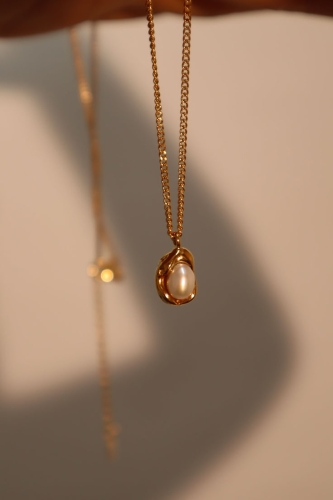
Pearl, one of June’s birthstones, is unique among gemstones because it forms within living creatures rather than the Earth’s crust. When a mollusk secretes layers of nacre around an irritant, such as a grain of sand, a pearl is created.

Pearls come in a variety of colors — including white, black, pink, and golden — and are prized for their luster and iridescence. Ranking only 2.5 on the Mohs hardness scale, pearls are among the most delicate gemstones and require gentle care. They are often associated with purity, innocence, and elegance and are believed to symbolize calmness, inner wisdom, and emotional balance.

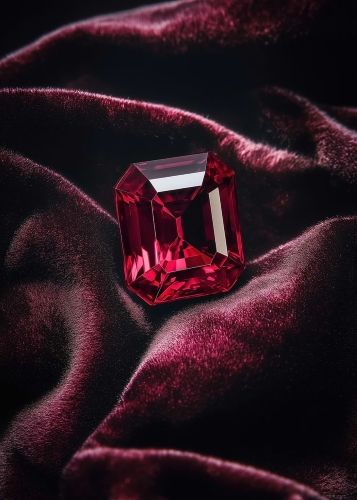
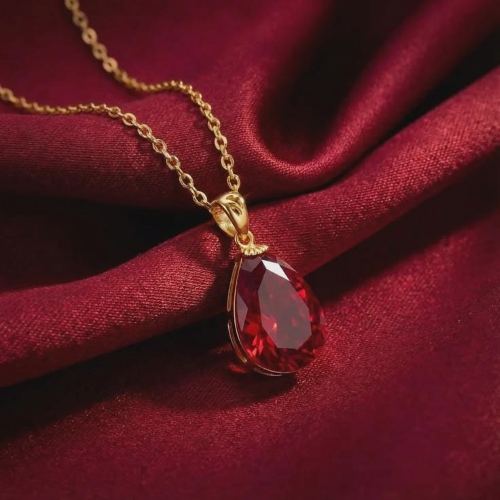
Ruby, one of July’s birthstones, is a stunning gemstone celebrated for its vivid red color. A member of the corundum mineral family, it is also one of the four precious gemstones, alongside diamond, emerald, and sapphire.

Rubies range in hue from deep red to shades with blue, pink, or purplish undertones. Like diamonds, their value is determined by color, clarity, carat weight, and cut. Ranking 9 out of 10 on the Mohs hardness scale, rubies are among the hardest gemstones after diamonds. Historically, they were believed to protect wearers from harm, bring good fortune, and symbolize love and passion. Today, rubies remain a popular choice in fine jewelry and are thought to promote vitality and self-confidence.

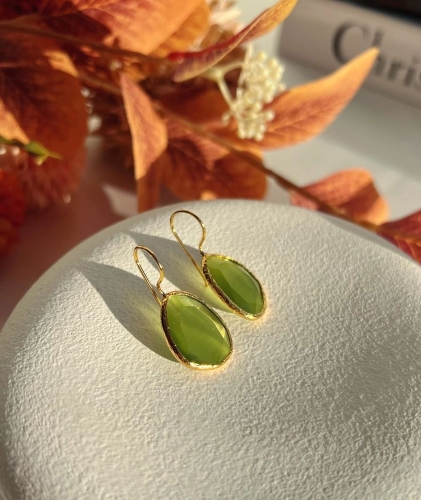
Peridot, the third birthstone for August, is best known for its bright green color and radiant glow. A variety of olivine minerals formed deep within the Earth’s mantle, it ranks 6.5–7 on the Mohs scale and is found in Egypt, Myanmar, and the United States.

Ancient civilizations believed Peridot could ward off evil spirits and protect against nightmares. It has also long symbolized strength, courage, and abundance.
Some historians even suggest that Cleopatra’s famed “emeralds” may have actually been Peridots. Today, it is cherished for its associations with positivity, happiness, and confidence.

September’s Birthstone: Sapphire

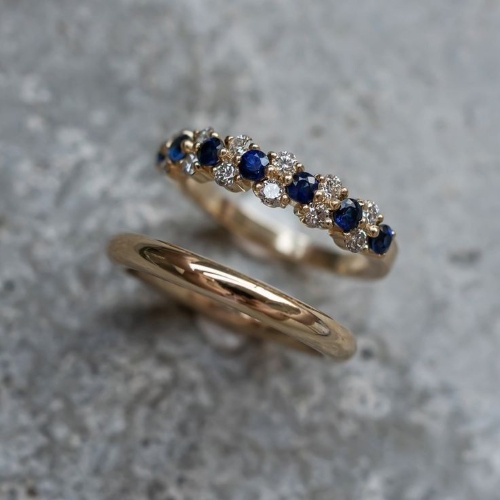
Sapphire is the birthstone for September and is best known for its deep, rich blue hue, though it can also appear in pink, yellow, and green varieties. A form of the mineral corundum, Sapphire forms deep within the Earth’s crust under intense pressure and heat.

It is one of the four precious gemstones and among the hardest, ranking 9 out of 10 on the Mohs hardness scale. Throughout history, Sapphires have symbolized power, wisdom, and royalty — most famously seen in Princess Diana’s iconic sapphire engagement ring. Spiritually, this gemstone is believed to promote peace, clarity, and emotional balance.

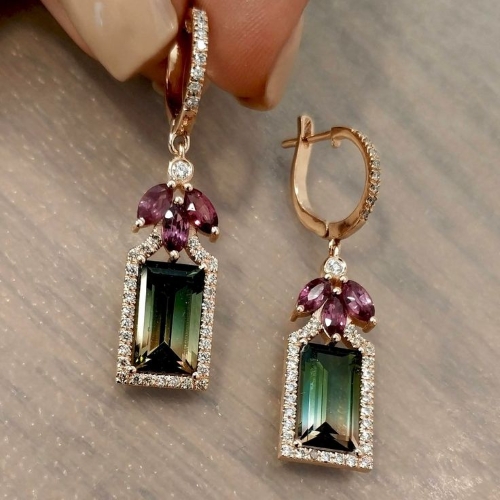
Tourmaline can appear in shades of pink, green, blue, yellow, and black, with some stones displaying multiple hues. One notable variety, Watermelon Tourmaline, exhibits green and reddish-pink tones resembling the fruit it’s named after. Known for its unique optical properties, Tourmaline can even become electrically charged when heated or rubbed. Ranking 7–7.5 on the Mohs scale, it is believed to enhance self-confidence, creativity, health, and emotional protection.

Citrine, the second birthstone for November, is admired for its warm golden hues that range from pale yellow to deep orange.

A variety of quartz, it is the second most abundant mineral on Earth and is found in Brazil, Madagascar, and the United States. Ranking 7 on the Mohs scale, Citrine gained immense popularity in the 1920s and 1930s after actress Greta Garbo was revealed to have a notable collection of Citrine jewelry. Known as the “money stone” in ancient times, Citrine symbolizes positivity, abundance, and creativity and was believed to attract wealth and success.

Turquoise, another December birthstone, is a beautiful blue-green gemstone and the traditional birthstone for this month. It ranks between 5 and 6 on the Mohs hardness scale and forms in arid regions, primarily in the southwestern United States, Mexico, and Iran.

Interestingly, the color “turquoise” was named after the gemstone itself. The vein-like markings found on some stones, known as the “matrix,” can affect their value. Revered by many cultures, Turquoise was used by ancient Egyptians to adorn royal tombs and by Native American tribes as a symbol of protection, healing, and good fortune.


Scroll to Top